Table of contents
Urban landscapes across the globe have warmly embraced casual Italian eateries, turning them into cherished neighborhood gems. These inviting spaces offer much more than food—they evoke the spirit of Italy through their cozy ambiance and vibrant social atmosphere. Delving into the unique charm of such establishments reveals a delicious synergy of tradition, community, and authenticity that everyone should experience. Keep reading to uncover what makes casual Italian dining so appealing in the bustling heart of the city.
The evolution of Italian dining
Urban Italian dining has witnessed remarkable transformation over recent decades, as casual Italian restaurants reimagine the traditional trattoria experience. In the past, trattorias served as neighborhood gathering spots, offering rustic dishes rooted in Italian culinary traditions and a warm, communal atmosphere. Today, the modern trattoria in cities blends this old-world charm with innovative concepts, often embracing open kitchens, contemporary decor, and curated wine lists, while still anchoring menus in authentic flavors. This Italian food evolution is driven by a desire to preserve gastronomic heritage even as eateries adapt to the fast-paced rhythm of urban life. Menus often feature updated classics, seasonal ingredients, and inventive takes on regional recipes, reflecting both the diversity of Italy and the cosmopolitan tastes of city dwellers. By balancing authenticity with modern trends, casual Italian restaurants in urban areas maintain their role as vibrant social hubs, celebrating the rich legacy of Italian cuisine amid bustling cityscapes.
Atmosphere and social experience
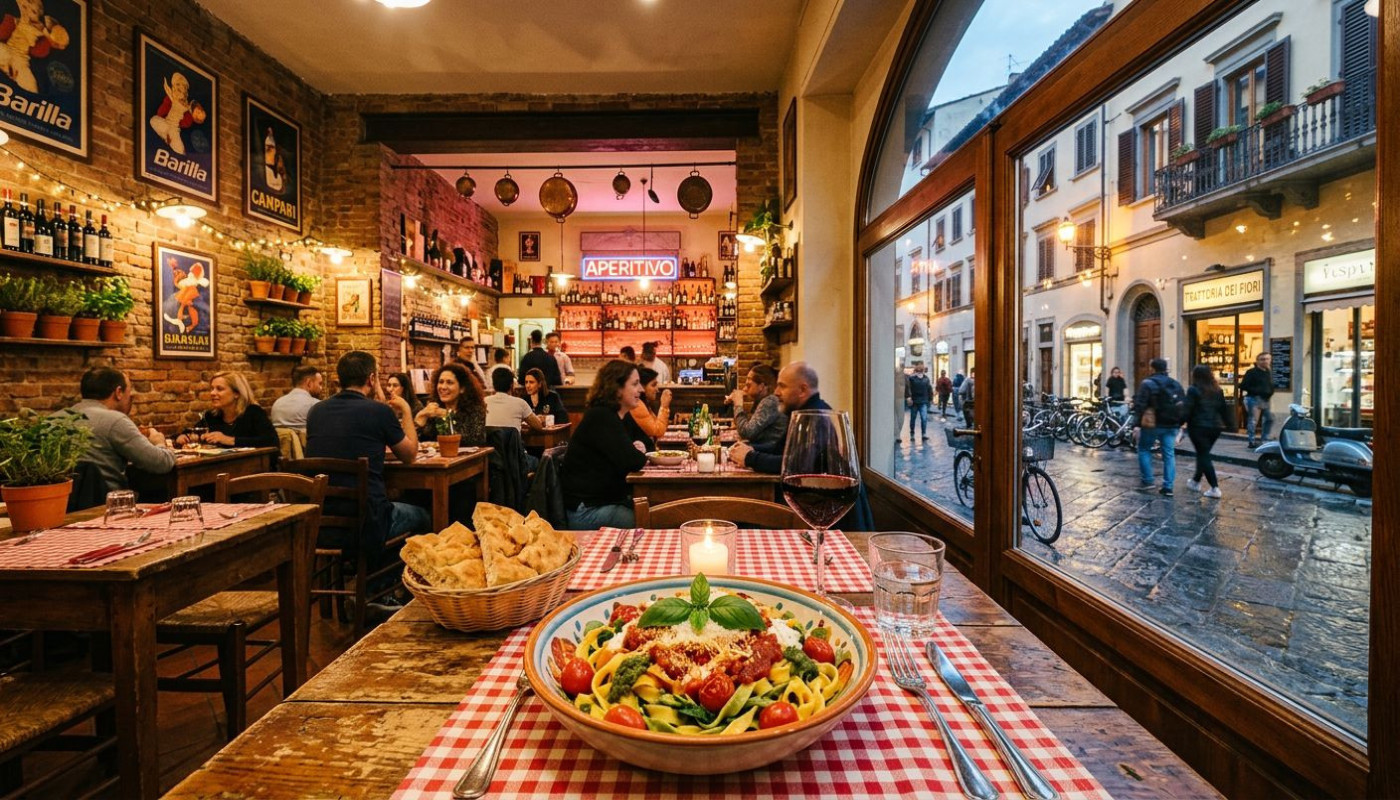
In urban areas, the Italian dining atmosphere of casual eateries is characterized by a unique sense of conviviality, where the design and layout foster a vibrant social dining experience. Features such as communal tables and open kitchens create spaces where guests are encouraged to interact not only with their dining companions but also with new acquaintances, enhancing the overall sense of community. This setup invites diners to share stories, laughter, and authentic Italian cuisine in a relaxed environment, making these urban eateries a preferred choice for those seeking both culinary and social fulfillment.
The service style typically found in a cozy Italian restaurant is informal yet attentive, contributing to the approachable and welcoming vibe. Staff members often engage in friendly conversation, add personal touches to recommendations, and help maintain a flow that supports spontaneous interactions among guests. The open kitchen concept further breaks down barriers between staff and patrons, allowing diners to witness the artistry behind each dish and facilitating a transparent, lively connection to the food preparation process. As a result, every visit becomes more than just a meal—it transforms into a shared experience that highlights the warmth and inclusivity central to Italian hospitality.
Urban eateries such as Gigi Bangkok exemplify these qualities by seamlessly blending communal settings, inviting interiors, and the ideals of conviviality. This approach not only attracts local residents but also visitors searching for an authentic social dining experience in the heart of the city. By prioritizing atmosphere and the opportunity for genuine social exchanges, these venues redefine what it means to dine out, reinforcing their place as cultural hubs within the urban landscape.
Signature dishes and menus
Urban casual Italian eateries are celebrated for their thoughtfully crafted urban Italian menu that blends tradition with modernity. Menu curation is at the heart of these establishments, with a strong focus on seasonal Italian food and ingredients sourced for freshness and flavor. Diners can expect Italian signature dishes such as handmade pastas or wood-fired pizzas, often inspired by regional Italian cuisine—think Roman carbonara, Neapolitan margherita, or Tuscan ribollita. These Italian restaurant specialties are carefully balanced with contemporary interpretations, like gluten-free gnocchi or plant-based ragù, to accommodate the evolving tastes and dietary considerations of city dwellers. Many eateries also showcase limited-time offerings based on the season, ensuring that guests have a dynamic experience that celebrates the diversity and richness of Italian culinary traditions while embracing innovation and inclusivity.
Influence on local food scenes
Casual Italian eateries have left a distinctive mark on the city dining scene, contributing to a vibrant evolution in urban food trends. Their relaxed ambiance, emphasis on high-quality ingredients, and accessible menus have set benchmarks that other establishments strive to match. This Italian food influence is visible in collaborative events that blend pizza-making with local baking traditions, as well as pop-up dinners that feature chefs swapping ideas between trattorias and neighborhood bistros. The rise of cross-cultural gastronomy is especially evident when signature Italian elements like wood-fired ovens or handmade pasta techniques merge with regional produce and spices, forging new culinary identities. Such innovations not only attract a diverse clientele, but also stimulate healthy competition and collaboration among restaurateurs, driving the dining landscape toward greater creativity and inclusivity.
Italian restaurant impact extends beyond menu offerings, shaping the way other urban restaurants approach hospitality and communal dining. Many city establishments adopt the Italian tradition of sharing plates and creating lively, sociable environments, reflecting a broader shift in urban food trends. The adaptation of Italian concepts encourages experimentation, leading to unique fusions such as risotto with local seafood or classic antipasti reimagined with indigenous vegetables. These influences encourage diners to explore cross-cultural pairings and broaden their palates, cementing Italian eateries as catalysts for culinary innovation in the city. As a result, the city dining scene continually evolves, inspired by the adaptability and enduring appeal of Italian dining culture.
Enduring appeal and future outlook
Casual Italian eateries maintain a strong Italian restaurant appeal among city dwellers due to their effortless blend of comforting cuisine, convivial atmospheres, and adaptability to evolving urban dining trends. These establishments are renowned for providing high-quality meals in relaxed settings, making them ideal for both quick weekday lunches and leisurely weekend gatherings. As urban populations seek authentic food experiences without the constraints of formal dining, the Italian eatery popularity continues to rise, supported by menu versatility and a consistent focus on fresh, seasonal ingredients. Market sustainability is further reinforced by the ability of these restaurants to adjust concepts and offerings based on customer preferences, keeping the dining experience both familiar and innovative.
Looking ahead, the casual dining future for Italian cuisine appears robust, with operators likely to integrate technology-driven conveniences such as online reservations and digital ordering, while preserving the intimate, personal touch that defines the category. Health-conscious modifications, regional Italian specialties, and collaborations with local producers are expected to shape the Italian cuisine outlook, appealing to an increasingly discerning audience. As urban diners continue to value community-oriented, approachable venues, the enduring qualities of casual Italian eateries position them as staples within the broader landscape of urban dining trends, ensuring their relevance for years to come.
Similar

